

There’s nothing quite like seeing a whale in the wild.
Every winter, one of nature’s greatest migrations unfolds along Australia’s coastline. Tens of thousands of humpback whales leave the icy waters of Antarctica and travel thousands of kilometres north to breed and calve in warmer waters before making the journey south again.
Whether you’re exploring the turquoise waters of Ningaloo, wandering the rugged coastline of Margaret River or travelling Australia’s spectacular east coast, whale watching offers an unforgettable opportunity to witness these gentle giants in their natural environment. Powerful breaches, playful tail slaps and curious calves swimming alongside their mothers are just some of the moments that leave travellers speechless.
The best part? Whale watching isn’t just about spotting whales. It’s about experiencing Australia’s diverse coastal landscapes, learning about local marine ecosystems and travelling with expert guides who help bring every destination to life.
If you’re wondering where and when to go whale watching in Australia, here’s everything you need to know.
Best Time for Whale Watching in Australia
| Destination | Best months | Species |
| Margaret River & South West WA | June–August | Humpback, Southern Right |
| Exmouth & Ningaloo | July–October | Humpback |
| Hervey Bay | July–October | Humpback |
| Sydney Coast | May–November | Humpback |
| Eden & Sapphire Coast | September–November | Humpback, Southern Right |
While humpback whales can be seen along much of Australia’s coastline, timing varies depending on where you’re travelling. Western Australia experiences the migration earlier than the east coast, making it an ideal destination for winter holidays.
Why Australia is One of the World’s Best Whale Watching Destinations
Australia’s annual whale migration is one of the largest on Earth. More than 40,000 humpback whales now make the journey each year, a remarkable conservation success story after commercial whaling ended in the late twentieth century.
Because Australia’s coastline stretches for more than 25,000 kilometres, there are countless opportunities to witness the migration. Many destinations combine whale encounters with stunning beaches, national parks, world-class wineries and Indigenous cultural experiences, making whale watching just one highlight of a broader journey.
Unlike visiting a single attraction, following the migration allows you to experience very different landscapes, from the coral reefs of Western Australia to the dramatic cliffs of the Southern Ocean.
Whale Watching in Western Australia’s South West
The Margaret River region is best known for its award-winning wineries, ancient forests and dramatic coastline, yet it’s also one of Australia’s finest whale watching destinations. Between June and August, humpback whales travel close to shore on their northward migration, and southern right whales are frequently seen along the coast as well.
Natural lookouts around make superb vantage points, while dedicated whale watching cruises bring you closer to the action from the water. Watching a humpback breach against the vast backdrop of the Indian Ocean is the kind of moment that stays with you long after a South West escape has ended.
Booking AAT Kings’ South Western Escape offers so much more than the opportunity to spot whales. During free time in Albany, you may choose to explore Torndirrup National Park on your own, where dramatic coastal cliffs and rock formations provide an excellent vantage point for viewing migrating whales in season. Beyond Albany, discover towering karri forests, local wines and gourmet produce, charming coastal towns, rugged beaches and the stories that bring Western Australia’s South West to life.
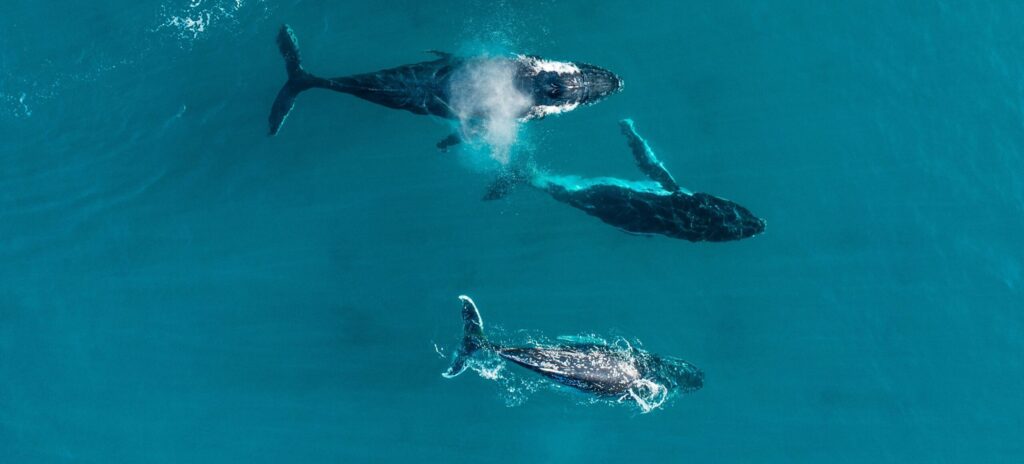
Whale Watching in Exmouth and Ningaloo Reef
Further north, the waters around Exmouth and Ningaloo Reef offer a whale watching experience of a very different character. From July through October, humpback whales gather here in large numbers, using these calm, sheltered waters as part of their migration route.
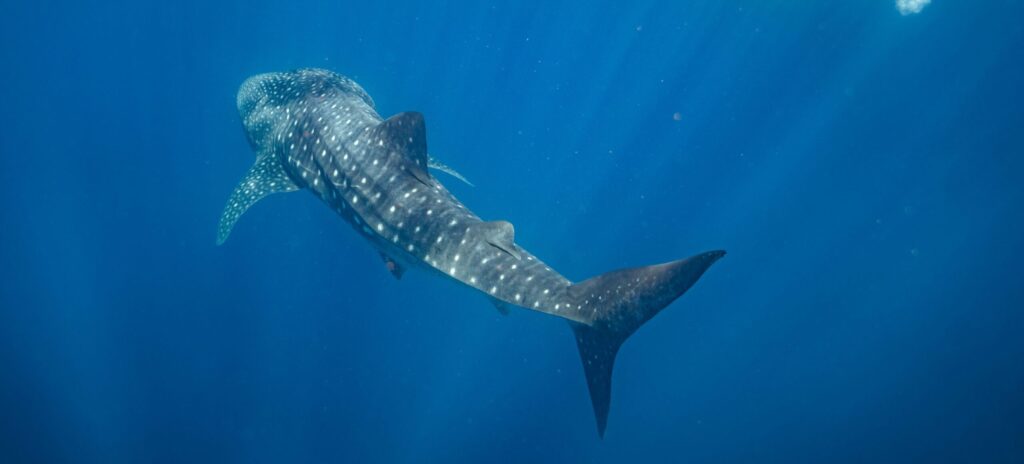
What sets Ningaloo apart is the sheer variety of marine life. Depending on the season, you might encounter whale sharks, manta rays, dolphins, turtles and vibrant coral reefs alongside the migrating humpbacks. Few places in the world offer so many remarkable wildlife experiences in one destination.
Guests travelling on AAT Kings’ Wonders of the Pilbara & West Coast tour can make the most of their time in Exmouth with a range of optional experiences (at their own expense).
Sunset Whale Watching Cruise
Available from August to mid-October, this optional cruise offers the chance to watch humpback whales in their natural habitat as the sun begins to set over Exmouth Gulf. Keep an eye out for dolphins and turtles along the way, while enjoying spectacular views of the Cape Range from the water.
Whale Shark Swim
Earlier in the season, travellers can choose to join an unforgettable Whale Shark Swim experience. Snorkel in the crystal-clear waters of Ningaloo Reef alongside the world’s largest fish and discover why this marine park is recognised as one of Australia’s most extraordinary wildlife destinations.
Whether you choose to watch whales from the deck of a boat or take to the water for a once-in-a-lifetime encounter, Exmouth showcases the incredible diversity that makes Western Australia’s Coral Coast one of Australia’s premier marine destinations.
Whale Watching Along Australia’s East Coast
Australia’s annual humpback whale migration continues along the east coast, where thousands of whales travel north to warmer waters before returning south with their newborn calves later in the season. While AAT Kings’ whale-related journeys focus on Western Australia, these iconic east coast destinations are also well known for seasonal whale sightings.
Sydney
Between May and November, whales pass surprisingly close to Sydney’s shoreline. Lookouts around the harbour and along the coastal headlands often reward patient watchers with breaching whales set against the backdrop of Australia’s most famous city.
Hervey Bay
Often called Australia’s whale watching capital, Hervey Bay becomes a resting place for humpback mothers and calves between July and October. Its calm waters create ideal conditions for observing playful behaviour, including curious calves that approach vessels to take a closer look.
Eden and Sapphire Coast
Further south, Eden carries a long association with whales and maritime history. In spring, migrating humpbacks and southern right whales can often be spotted from the shore or on a dedicated cruise.
Whether you’re travelling on the west coast or exploring Australia’s eastern shoreline independently, the annual whale migration is one of the country’s most spectacular natural events.
What Can You Expect to See?
Every whale encounter is unique, which is part of what makes it so thrilling. On a typical whale watching experience, you might witness:
- Spectacular full-body breaches.
- Powerful tail slaps across the ocean surface.
- Pectoral fin waves.
- Mothers swimming closely with newborn calves.
- Pods travelling together during migration.
- Dolphins, seals and seabirds feeding nearby.
Experienced guides help interpret these behaviours, explaining how whales communicate, navigate and care for their young throughout the migration.
One of the greatest pleasures is simply slowing down. There’s no rush when whale watching. The anticipation of that first sighting, followed by the collective excitement as a whale rises from the ocean, creates unforgettable memories shared by everyone on board.
Experience Australia’s Whale Migration with AAT Kings
Planning a holiday around Australia’s whale migration doesn’t mean limiting yourself to a single destination. With AAT Kings, you can enjoy free time to experience seasonal whale watching at your own pace while discovering the very best of Australia’s landscapes, wildlife and local culture.
Rather than worrying about driving, accommodation or planning your itinerary, your Travel Director takes care of the details so you can focus on the experience. Along the way, you’ll discover places many travellers overlook, meet passionate local hosts and gain insights you simply won’t find in a guidebook.
Depending on your itinerary, your holiday may include:
- Spectacular coastal drives.
- World-famous food and wine regions.
- National parks and ancient forests.
- Indigenous cultural experiences.
- Marine wildlife encounters.
- Comfortable accommodation and seamless travel between destinations.
It’s this blend of iconic sights and unexpected moments that AAT Kings is known for: the remarkable is hidden in the unexpected.
Frequently Asked Questions
What is the best time for whale watching in Australia?
The season generally runs from May to November, though timing varies by destination. Western Australia tends to see whales earlier in the migration, while the east coast peaks between July and October.
Where is the best place to see whales in Australia?
Some of the standout destinations include Margaret River, Exmouth, Hervey Bay, Sydney and Eden, each offering a different experience throughout the migration season.
What types of whales can I see?
Humpback whales are the most commonly seen species during migration. In some regions, particularly along the southern coastline, southern right whales can also be spotted.
Can you see whale calves?
Yes. During the southbound migration later in the season, mothers often travel with newborn calves, creating some of the most memorable whale watching experiences of all.
Is whale watching suitable for families?
Absolutely. Whale watching appeals to travellers of all ages, combining incredible wildlife encounters with educational insights into Australia’s marine environment.
Header image credit: Humpback Whale Margaret River Region / via Tash Press