

Rising from the heart of Australia’s Red Centre, Uluru is one of the country’s most recognisable natural landmarks. But it’s more than an extraordinary rock formation, it’s a living cultural landscape, deeply significant to the Anangu, the Traditional Owners of Uluru-Kata Tjuta National Park.
While Uluru is remarkable year-round, every season offers a different perspective on this iconic destination. Summer brings dramatic desert storms and vibrant sunsets, winter offers crisp mornings and comfortable walking conditions, while spring and autumn strike a balance between pleasant temperatures and colourful desert landscapes.
So, when is the best time to visit Uluru?
The answer depends on the kind of experience you’re looking for. Whether you’re hoping to witness an unforgettable sunrise, explore the walking trails around the base of Uluru, discover the domes of Kata Tjuta, or simply experience the magic of Australia’s spiritual heart, here’s what to expect throughout the year.
Visiting Uluru by Season
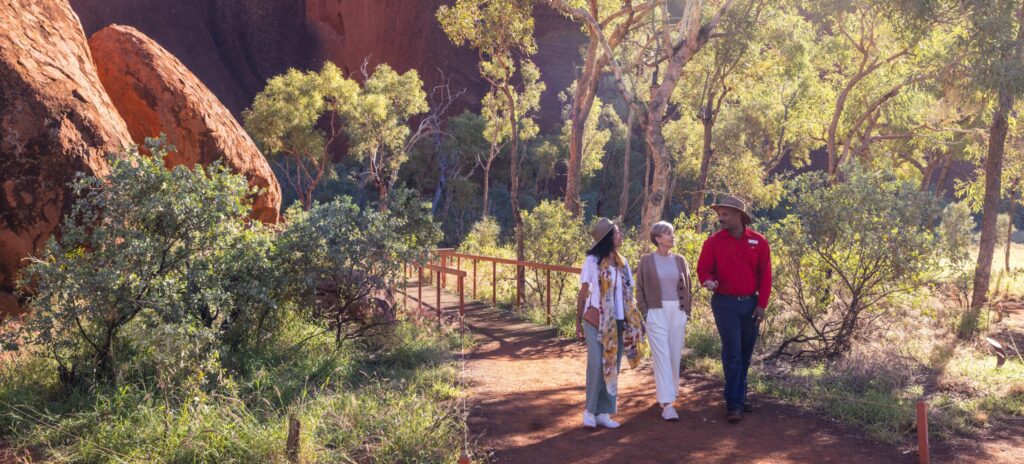
Summer (December to February)
Daytime temperatures regularly exceed 35°C, with some days climbing above 40°C. While the heat can be intense, early mornings and evenings remain beautiful times to explore, rewarding visitors with colourful skies and fewer people at popular viewing areas. Summer also brings the possibility of dramatic afternoon thunderstorms. When rain falls, waterfalls occasionally appear along Uluru’s rock face, a spectacular and relatively rare sight that transforms the landscape.
If you’re visiting during summer:
- Start outdoor activities early.
- Carry plenty of water.
- Wear a wide-brimmed hat and sunscreen.
- Follow park advice regarding walking conditions.
Although the middle of the day is best spent relaxing, sunrise and sunset are particularly spectacular as the changing light intensifies the rich ochre and crimson colours of the desert.
Autumn (March to May)
For many travellers, autumn offers one of the most enjoyable times to visit Uluru.
Temperatures begin to moderate, with warm days and cooler evenings creating comfortable conditions for sightseeing. Native plants respond to seasonal rains, bringing subtle bursts of colour across the desert landscape.
This is an excellent time to:
- Walk sections of the Uluru Base Walk
- Explore Kata Tjuta’s walking trails
- Experience sunrise and sunset viewing areas
- Enjoy outdoor dining under the stars
The pleasant weather also makes longer days of sightseeing much more comfortable, allowing guests to fully appreciate the vastness of the Red Centre without the intensity of midsummer heat.
Winter (June to August)
Winter is often considered the most popular season to visit Uluru, and for good reason.
Daytime temperatures generally range between 18°C and 24°C, making it ideal for exploring on foot. Mornings can be surprisingly cold, often dropping to 5°C before sunrise, so dressing in layers is essential.
The cooler conditions make winter particularly well suited for:
- Walking around the base of Uluru
- Exploring the Valley of the Winds at Kata Tjuta
- Learning about Aboriginal culture with local guides
- Stargazing beneath exceptionally clear desert skies
Winter is also one of the most popular travel periods, so accommodation and guided holidays can book well in advance.
Spring (September to November)
Spring combines comfortable mornings with increasingly warm afternoons.
Wildflowers begin appearing after seasonal rainfall, adding unexpected colour to the desert landscape. Wildlife also becomes more active, particularly during the cooler hours of the day.
Spring is ideal for travellers who want to enjoy:
- Comfortable sightseeing
- Excellent photography conditions
- Warm evenings
- Spectacular desert sunsets
As temperatures climb towards summer, early morning activities once again become the best way to experience the region.
Sunrise and Sunset: Uluru’s Most Magical Moments
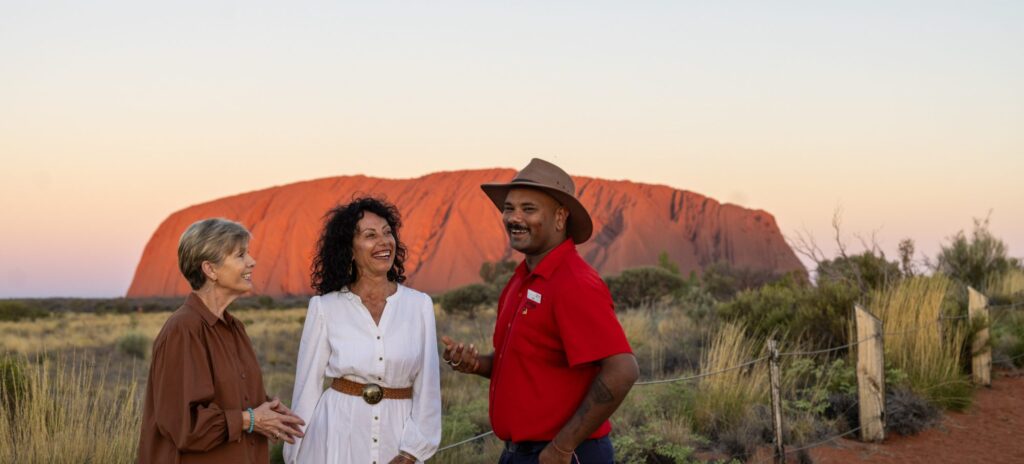
Ask anyone who’s visited Uluru what they remember most, and chances are they’ll mention sunrise or sunset.
As daylight changes, Uluru appears to transform before your eyes. Rich reds soften into burnt orange before shifting through deep purple as evening falls. At sunrise, the first rays of light gradually illuminate the sandstone, creating one of Australia’s most iconic natural spectacles.
These daily colour changes aren’t just beautiful, they’re part of what makes every visit unique. No two sunrises or sunsets are ever quite the same, with weather, cloud cover and seasonal conditions all influencing the colours you’ll see.
Experience both sides of this daily transformation with AAT Kings. Begin with the exclusive Uluru Sunrise and Field of Light experience, combining the internationally acclaimed light installation with the first colours of dawn, or join the Uluru Sunset experience to watch the landscape change while enjoying a glass of sparkling wine.
Beyond Uluru: Discover Kata Tjuta

While Uluru often takes centre stage, many visitors are equally captivated by nearby Kata Tjuta. Located around 40 kilometres away, the collection of 36 ancient rock domes offers a striking contrast to Uluru’s singular form. Walking trails such as the Walpa Gorge and Valley of the Winds reveal towering rock formations, hidden creek beds and expansive desert views that showcase another side of this remarkable landscape.
The AAT Kings Uluru & Kata Tjuta Experience offers the opportunity to discover both iconic landmarks in one unforgettable journey, providing deeper insight into the region’s remarkable geology, living culture and breathtaking scenery. Visiting both Uluru and Kata Tjuta offers a richer appreciation of the landscape’s enduring cultural significance and ancient history.
Experiencing the Living Culture of the Red Centre
Uluru is not simply a destination to photograph, it’s a place of profound cultural importance.
For the Aṉangu people, Uluru and Kata Tjuta are inseparable from Tjukurpa, the traditional law, stories and knowledge that continue to shape life today.
On the AAT Kings Red Centre Highlights tour, you’ll gain a deeper understanding of these living traditions through guided experiences that include cultural insights and respectful engagement with Country. Taking time to understand this cultural context adds another dimension to a visit, helping travellers appreciate why Uluru is recognised as one of Australia’s most significant places.
What Should You Pack?
The desert climate means temperatures can vary dramatically between day and night.
Regardless of the season, it’s worth packing:
- Comfortable walking shoes
- Refillable water bottle
- Sunscreen and sunglasses
- Wide-brimmed hat
- Lightweight layers
- Warm jacket for winter mornings
- Camera for sunrise and sunset
If travelling during winter, gloves and a beanie can make pre-dawn viewing much more comfortable.
Experience the Red Centre with AAT Kings
Uluru is a destination that stays with you long after you’ve returned home. From watching the first light illuminate its ancient sandstone to learning about the living culture that has shaped this landscape for thousands of years, every moment offers a deeper connection to Australia’s Red Centre.
Whether you’re planning your first visit or returning to experience the desert in a different season, discover more about Uluru to help plan your journey. When you’re ready to experience the region, AAT Kings’ knowledgeable Travel Directors and Driver Guides bring the stories, landscapes and history of Uluru and Kata Tjuta to life, helping you connect more deeply with one of Australia’s most extraordinary destinations.
Frequently Asked Questions
How many days should I spend at Uluru?
Two to three days allows enough time to experience sunrise and sunset, visit Kata Tjuta and enjoy cultural experiences at a relaxed pace.
What is the coolest month to visit Uluru?
July is typically one of the coolest months, with mild daytime temperatures and cold mornings.
Is Uluru worth visiting in summer?
Yes. While temperatures are high, early morning and evening experiences are spectacular, and visitor numbers are generally lower.
Can you visit Kata Tjuta on the same trip?
Absolutely. Most visitors explore both Uluru and Kata Tjuta, as they’re located within the same national park and complement each other beautifully.