

Spring in New Zealand brings longer days, fresh green countryside, snow still visible on alpine peaks and weather that can change quickly. October often feels lively and unpredictable, with blossom, spring showers and cool evenings. By November, daylight stretches later, temperatures generally rise and the landscapes begin to edge towards summer.
For travellers visiting now, the appeal lies in variety. You might explore geothermal valleys in Rotorua, walk beside a lake in Queenstown, watch waterfalls gather force in Milford Sound/Piopiotahi or see gardens in Christchurch at their spring best. Pack for several conditions in one day and keep plans flexible around the weather.
This guide focuses on October and November. Discover what makes each month unique, how experiences vary between the North and South Islands, and why a guided tour is a great way to make the most of New Zealand’s changing weather.
What is New Zealand’s weather like in Spring?
New Zealand’s spring weather is mild but rarely uniform. Tourism New Zealand lists average daytime temperatures of about 16 to 19 degrees Celsius across the season, but local conditions vary considerably. The upper North Island can feel warmer and more humid, while inland and alpine areas of the South Island can remain cold, especially early in the day. Rain is possible throughout the season, and snow can still fall in elevated areas.
That changeability is part of the experience. Rain can feed the waterfalls of Fiordland and the West Coast, while clear spells reveal mountains that may still carry winter snow. Countryside across both islands turns green, lambs appear in rural areas and public gardens fill with spring colour. Packing versatile layers helps you stay comfortable, whatever the weather brings.
| Month | What conditions can feel like | Seasonal highlights | Useful to know |
| October | Cool to mild, with a mix of sunshine, showers and brisk winds. Frost or late snow remains possible in alpine areas. | Blossom, green farmland, spectacular waterfalls after rainfall and snow-capped mountain views. | Carry a waterproof layer and allow for quick weather changes. |
| November | Generally milder with longer daylight, though rain, wind and cool evenings still occur. | Late-spring gardens, more time outdoors and a gradual shift towards summer conditions. | Popular places become busier as summer approaches, so book key experiences early. |
These are general weather patterns, and conditions can vary across New Zealand. New Zealand’s mountains and coastlines create many local microclimates, so forecasts can differ between places only a few hours apart. Check conditions each morning and follow local advice for walks, cruises and alpine roads.
Spring highlights across the North Island
Auckland and the Bay of Islands

Auckland and Northland often offer some of the country’s milder spring conditions. Waterfront walks, harbour views and coastal scenery can be particularly appealing on clear days, while passing showers are a reminder to keep a light rain jacket close. Northland’s beaches and the Bay of Islands provide a relaxed contrast to the South Island’s alpine landscapes.
The region also introduces New Zealand’s layered history. At Waitangi, travellers can learn about the events and relationships that shaped the country, while time in Auckland reveals a city built around volcanic cones and two harbours. Browse North Island guided holidays to see how these northern experiences connect with the rest of the island.
Rotorua and the Central Plateau
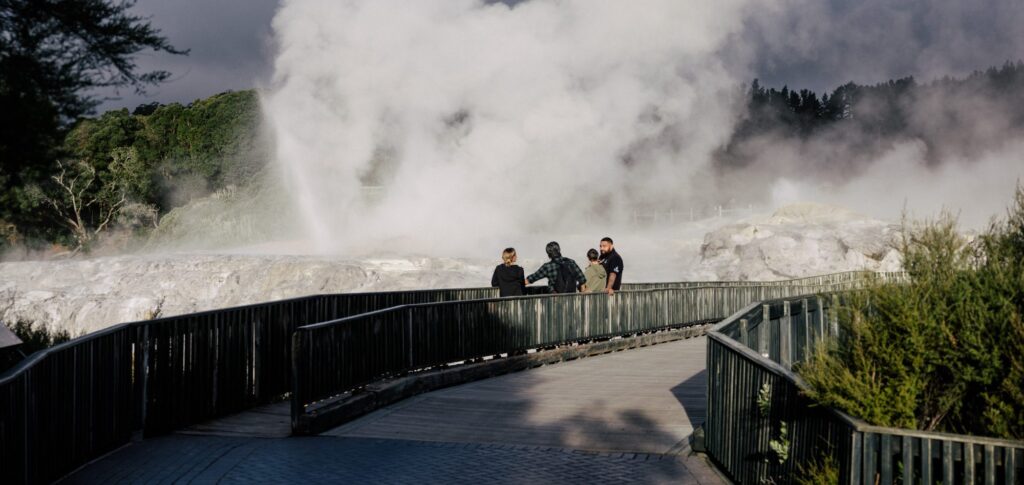
Rotorua is compelling in any season, but cool spring air can make its geothermal activity feel especially vivid. Steam rises from mineral-rich pools and valleys, while cultural experiences offer a deeper understanding of Māori traditions and contemporary life. Nearby forests, lakes and the force of Huka Falls add another side to the central North Island.
Conditions become cooler around higher ground, including the Central Plateau. Mountain weather can change without warning, so a warm layer and waterproof jacket remain useful even when the day begins bright. If a walk or outdoor activity is part of your plans, check the latest track and weather advice before setting out.
Wellington, Napier and the Wairarapa

Spring is a great time to explore New Zealand’s vibrant cities, enjoy local food and take in the stunning scenery along the way. Wellington combines galleries, waterfront walks and a compact centre, while Napier’s Art Deco streets and Hawke’s Bay food and wine offer a different pace. In Wairarapa, explore charming small towns and vineyards surrounded by rolling farmland and scenic mountain ranges.
Wind can be part of the experience in exposed areas, particularly around Cook Strait. A wind-resistant outer layer makes city walks and coastal lookouts more comfortable. On calmer days, the clear spring light can make the lower North Island’s hills and coastline particularly photogenic.
Spring highlights across the South Island
Christchurch and the Mackenzie Country
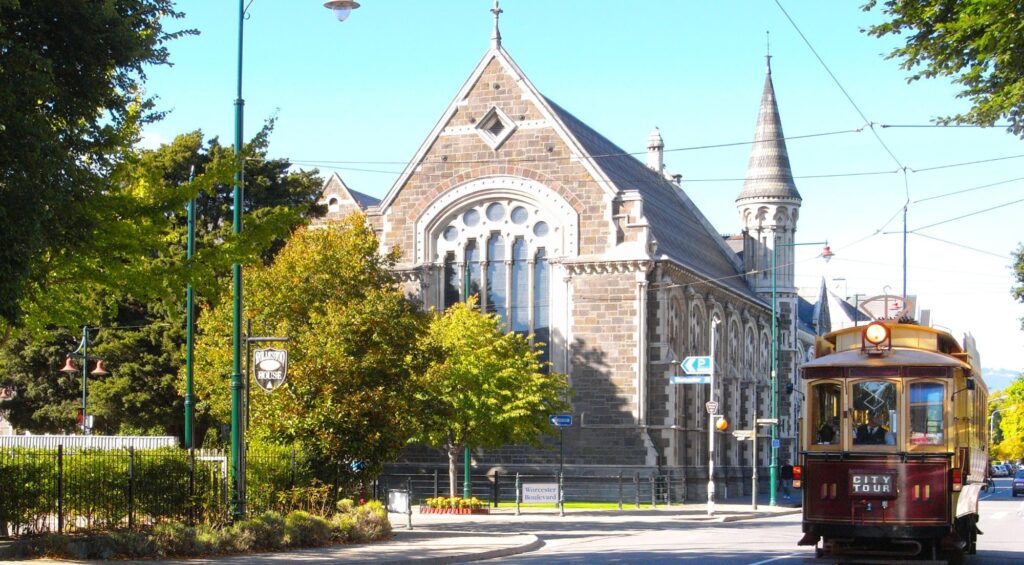
Christchurch lives up to its Garden City name in spring. Parks, private gardens and tree-lined streets move through successive waves of blossom and new growth. From there, the journey inland opens into the Mackenzie Basin, where turquoise lakes sit beneath the Southern Alps and late snow can sharpen the mountain views.
The open country around Lake Tekapo and Lake Pukaki can be bright, windy and much cooler than the coast. Sunglasses, sunscreen and a warm layer all earn their place in a day bag. Clear nights can also reward travellers with exceptional stargazing, although cloud cover will always decide what is visible.
Queenstown and Wānaka
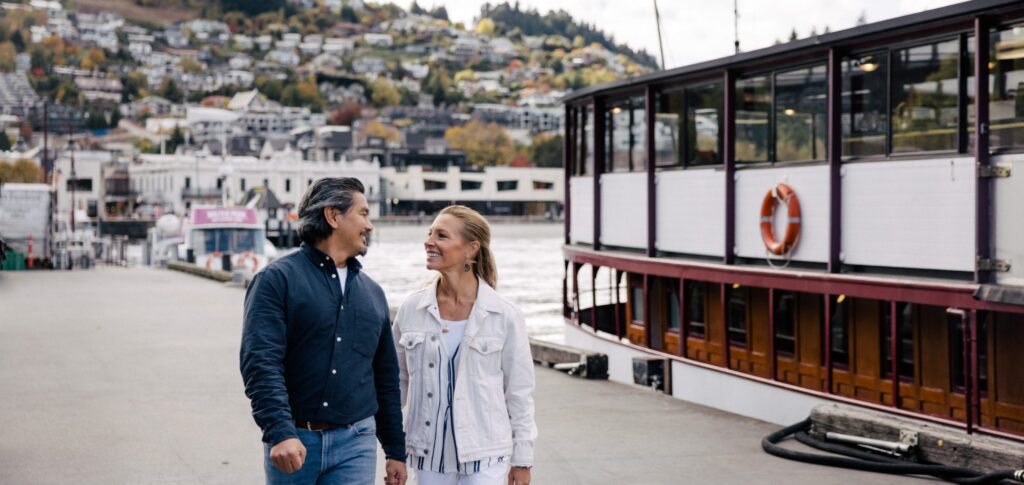
Queenstown and Wānaka shift gradually out of ski season. Mountain peaks may still hold snow while lakeside paths, gardens and lower trails become greener. Spring is a wonderful time to enjoy scenic drives, cruises and leisurely walks, with longer daylight hours giving you more time to explore.
Temperatures can drop quickly after sunset, and conditions around the lakes often feel cooler when the wind rises. Keep a fleece or light insulated jacket close rather than relying on the afternoon temperature. If you are considering alpine activities, confirm seasonal operating dates before travelling.
The West Coast and Milford Sound/Piopiotahi
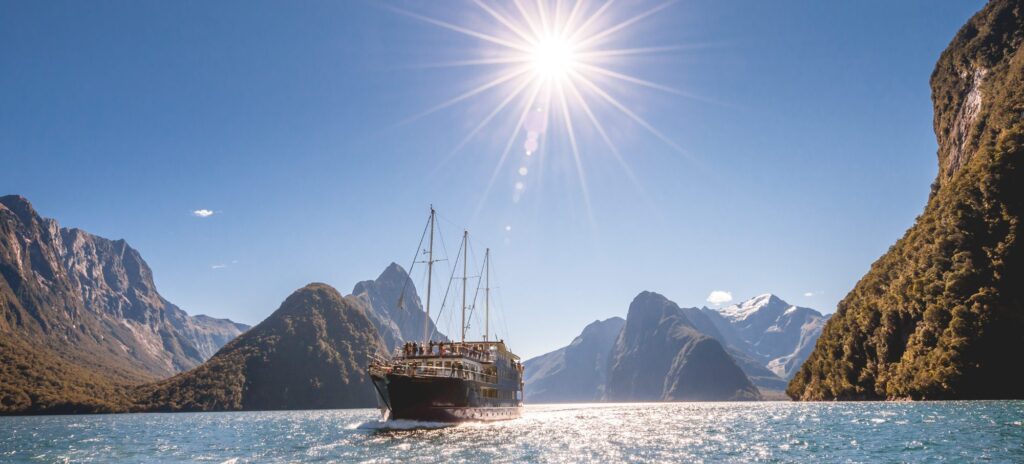
Rain is a defining part of the western South Island. Around Franz Josef/Waiau and through Fiordland, it sustains rainforest, rivers and countless temporary waterfalls. Rainy days can offer some of the most memorable scenery, so be sure to pack a waterproof jacket, sturdy shoes with good grip and a dry bag to protect your electronics.
At Milford Sound/Piopiotahi, spring conditions can change during a single cruise. Clouds often drift around the peaks before clearing to reveal dramatic rock faces and snow-capped mountains above the fiord. Whatever the weather, the changing conditions bring a different perspective to the landscape, making each visit a unique experience.
What to pack for New Zealand in spring
Build your suitcase around light layers rather than one heavy outfit. A breathable base, warm mid-layer and waterproof outer shell can cover most sightseeing days, while comfortable enclosed shoes help on wet paths and uneven ground. Add sun protection, a refillable bottle and a small day pack for items you may need between hotel stops.
For a complete checklist, read What to Pack for New Zealand in Spring. The guide covers clothing, footwear, weather protection, day-bag essentials and AAT Kings luggage requirements.
See both islands on a guided tour
Discover the beauty of New Zealand in spring on a guided tour, with the details taken care of so you can make the most of every moment. Your Travel Director follows local conditions, transport is organised between regions and the itinerary brings together places that would otherwise require careful coordination. This gives you more time to take in New Zealand’s spring scenery, from flowering gardens to glacier-fed lakes and fast-flowing waterfalls.
The 17-day Untamed New Zealand small group tour travels from Auckland to Christchurch. Its current itinerary includes Māori cultural experiences in Rotorua, Napier’s Art Deco heritage, Queenstown, an overnight cruise on Piopiotahi and a viewpoint towards Franz Josef Glacier/Kā Roimata o Hine Hukatere. You can also compare the wider range of New Zealand tours, including South Island guided holidays
Check out our New Zealand tours
Whether you have nine days or more than two weeks, these AAT Kings tours show off New Zealand’s spring highlights.
| Tour | Length | Route | Best for |
| Southern Wonders | 9 days | Christchurch return | A focused South Island loop |
| Southern Spirit | 13 days | Christchurch to Wellington | Small Group Tour through Milford Sound, Queenstown, the West Coast and Nelson |
| New Zealand Marvel | 14 days | Christchurch to Auckland | Both islands, with Milford Sound, the TranzAlpine and Rotorua |
| New Zealand Magic | 17 days | Christchurch to Auckland | A slower journey across the North and South Islands |
Ready to explore the South Island this spring?
Discover guided holidays through the Mackenzie Country, Queenstown, the West Coast and Milford Sound/Piopiotahi.
Frequently asked questions
Is October a good time to visit New Zealand?
October can be a rewarding time for spring scenery, gardens, green countryside and mountain views. Conditions remain changeable, so travellers should bring waterproof layers and allow flexibility for weather-dependent activities.
What is New Zealand like in November?
November is late spring. Days are generally longer and milder than in October, while gardens and rural landscapes remain green. Rain, wind and cool evenings are still possible, particularly in exposed, western and alpine areas.
Is the North Island warmer than the South Island in spring?
The North Island is generally milder, especially in the far north. However, elevation and local weather matter as much as latitude. Rotorua or the Central Plateau can feel cold, while sheltered parts of the South Island may enjoy warm afternoons.
Can you still see snow in New Zealand during spring?
Yes. Snow often remains on the Southern Alps and higher peaks through spring, and late snowfall is possible in alpine areas. The amount and visibility vary with recent weather.
Does it rain often in New Zealand in spring?
Spring can bring frequent changes between sunshine and rain. Western regions such as Fiordland and the West Coast are generally wetter than eastern areas. A waterproof jacket is useful wherever you travel.
What should I wear in New Zealand in October and November?
Wear light layers that can be added or removed through the day. Pack a waterproof and wind-resistant jacket, comfortable enclosed shoes, a warm mid-layer, sun hat, sunglasses and sunscreen.
Should I book New Zealand spring activities in advance?
Booking ahead is sensible for popular cruises, cultural experiences and guided tours, especially as November approaches the busier summer period. Always reconfirm weather-dependent activities close to the day.