

Spring in Tasmania is a season of colour, discovery and ever-changing landscapes. Wildflowers bring bursts of colour to the countryside, waterfalls cascade through lush forested valleys and longer days offer more opportunities to experience the island’s remarkable wildlife. Crisp mornings give way to milder afternoons, while shifting weather adds to the beauty and character of the season.
From Hobart’s blooming gardens and vibrant markets to the east coast’s turquoise bays and scenic coastal walks, every region offers something special. Discover the rugged alpine beauty of Cradle Mountain, explore the dramatic coastline and fascinating history of the Tasman Peninsula, and experience the incredible diversity of landscapes that make Tasmania such a rewarding destination.
Part of the magic of spring is embracing the unexpected. Wildflowers, wildlife encounters and sweeping mountain views are all shaped by nature, making every journey a little different. With a sense of adventure and a willingness to embrace the changing conditions, spring offers countless opportunities to create unforgettable memories.
What Tasmania is like in spring
Tasmanian spring runs from September to November. Official tourism guidance describes the season as vivid but variable, with cold mornings, milder afternoons and the continuing possibility of wind, rain and snow. Conditions can shift quickly around mountains and exposed coasts, even when Hobart or Launceston begins the day under clear skies.
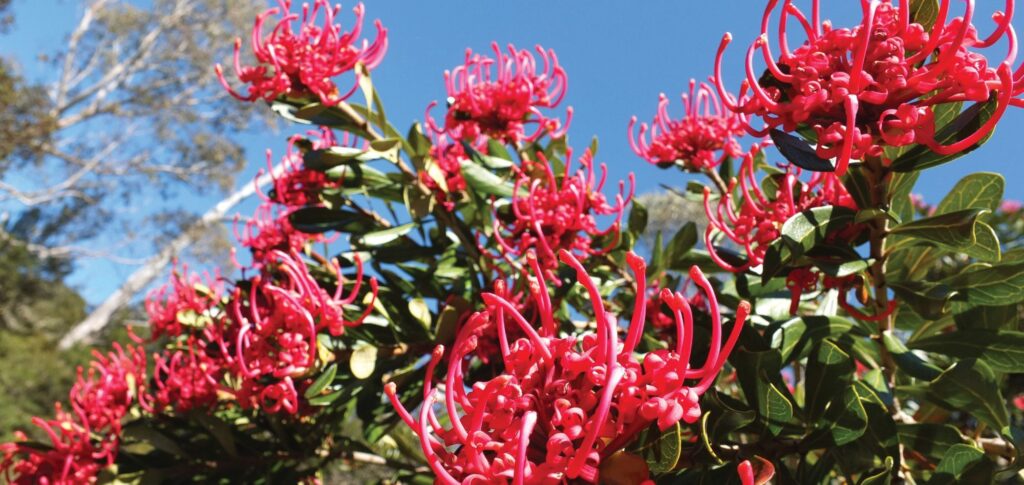
Tasmania’s changing weather brings a unique beauty to every landscape. Rainfall can bring waterfalls to life and nourish lush forests, while spring sees native wildflowers, including delicate orchids and Tasmanian Waratah, add bursts of colour to the countryside. In the mountains, snowfall is still possible, while sheltered coastal areas can enjoy pleasantly mild days. Packing a waterproof jacket, warm layers and sturdy footwear will help you make the most of Tasmania’s diverse landscapes, whatever the weather brings.
Tasmania through the spring months
| Month | Seasonal character | What you may notice | Planning tip |
| September | Early spring, with cold mornings and a higher chance of wintry conditions in elevated areas. | Fresh growth, running waterfalls and the first waves of blossom and native flowers. | Pack warm layers and check alpine road and track conditions. |
| October | Longer days and a mix of mild spells, showers, wind and occasional cold changes. | More widespread flowering, active birdlife and green rural scenery. | Keep a waterproof jacket handy and allow flexibility for outdoor plans. |
| November | Late spring, generally milder but still capable of cool, wet or windy days. | Longer daylight, coastal walks and a gradual move towards summer produce and conditions. | Book popular experiences early and keep sun protection in your day bag. |
These descriptions are a general guide, as Tasmania’s weather can vary between coastal and alpine regions and change throughout the day. Before heading out, check local weather forecasts and national park alerts, particularly when exploring Cradle Mountain and other elevated areas.
Spring in Hobart and southern Tasmania
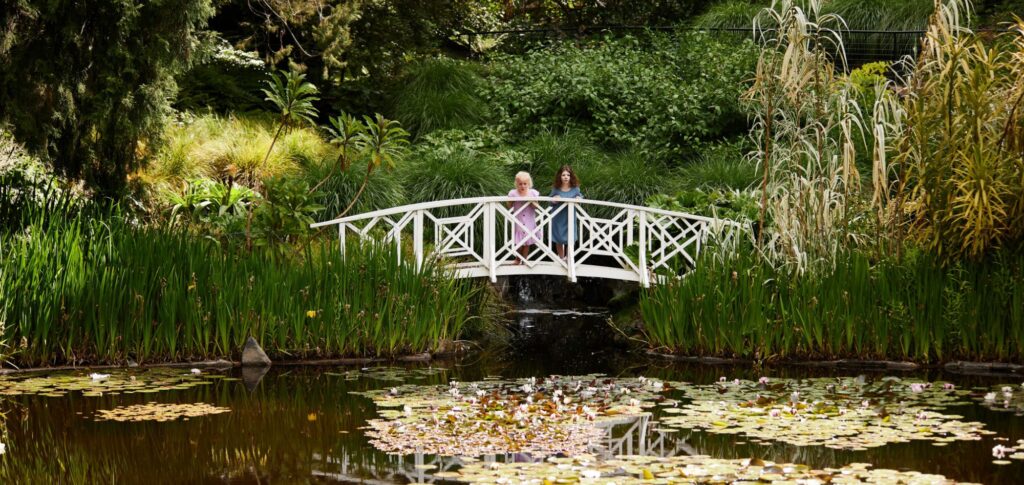
Hobart is a wonderful place to welcome the arrival of spring. Wander through the Royal Tasmanian Botanical Gardens as seasonal blooms bring fresh colour to the landscape, or soak up the lively atmosphere of Salamanca Market, where local produce, handmade treasures and artisan stalls fill the historic waterfront precinct every Saturday. On clear days, take in sweeping views from kunanyi / Mount Wellington, where the cooler mountain air offers a refreshing contrast to the city below.
Beyond Hobart, discover the rolling farmland, lush forests and mountain landscapes of southern Tasmania. In the Hartz Mountains, native wildflowers bring colour to the alpine landscape, with the striking red Tasmanian waratah beginning to bloom towards the end of spring. At Mount Field National Park, follow forest trails beneath towering trees and delicate ferns to discover the cascading beauty of Russell Falls, particularly impressive after rainfall.
The Tasmania destination hub brings together more ideas for Hobart and the wider island, while Hobart and Tasmania guided holidays make it easy to compare routes that start, finish or spend time in the capital.
Freycinet and the east coast
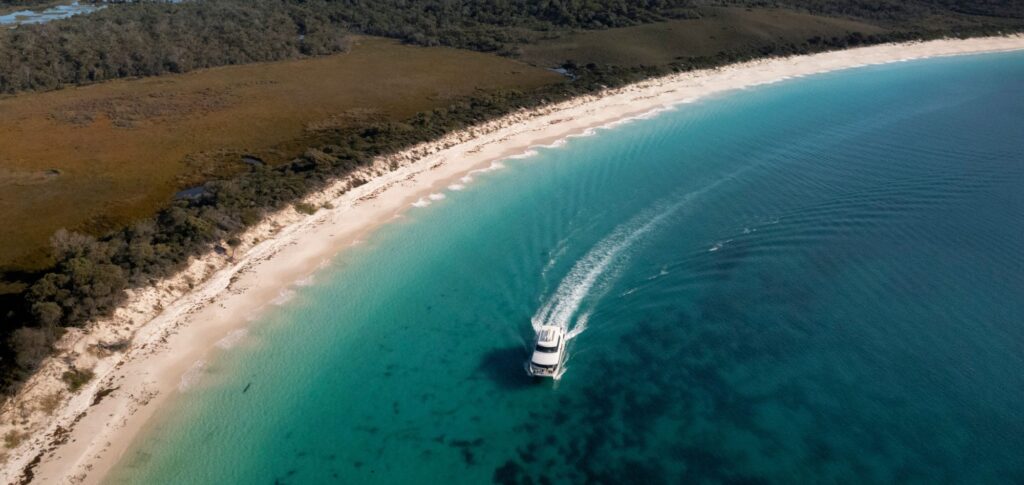
Tasmania’s east coast is a breathtaking stretch of coastline, where striking granite headlands meet pristine white-sand beaches and crystal-clear waters. Spring’s cooler temperatures make it a wonderful time to explore the scenic walking trails and lookouts of Freycinet National Park. Follow the easy boardwalk at Cape Tourville for sweeping views of the coastline and Wineglass Bay, or discover the beauty of the Freycinet Peninsula from a different perspective on a scenic cruise.
While Tasmania’s east coast generally enjoys drier conditions than the west, spring weather can still bring refreshing sea breezes and occasional showers. Coastal lookouts can feel cooler than nearby towns, so packing a light, warm layer will help you stay comfortable as you explore.
Further north, discover the coastal charm of Bicheno and the spectacular landscapes of larapuna / Bay of Fires. Here, white-sand beaches, turquoise waters and granite boulders covered in vibrant orange lichen create some of Tasmania’s most striking coastal scenery. Keep an eye out for native wildlife along the way, particularly around dawn and dusk. Wildlife sightings can vary, making every encounter all the more special. Remember to observe animals quietly from a respectful distance and take extra care when travelling on roads during these times.
Cradle Mountain and the wild west
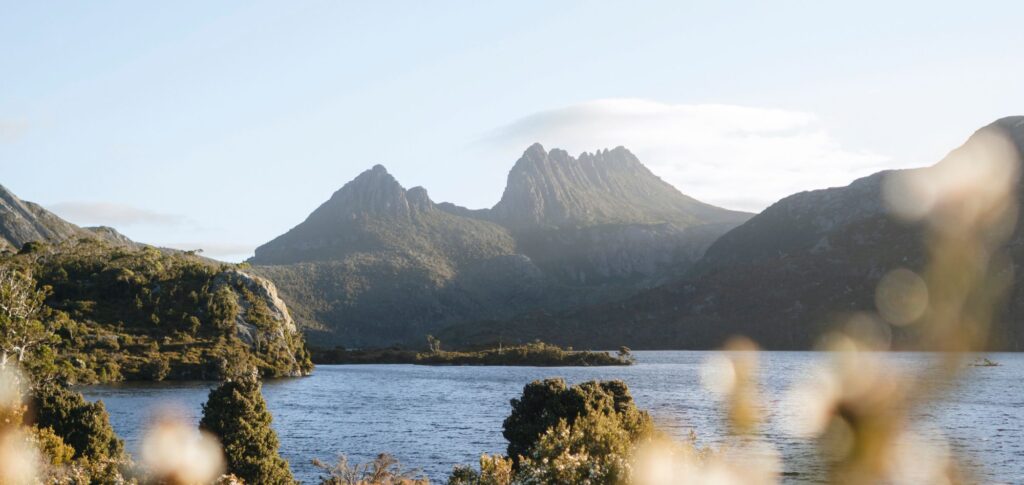
Spring at Cradle Mountain-Lake St Clair National Park is a season of striking contrasts. Snow-dusted peaks, crisp mountain air and ever-changing skies create a spectacular alpine landscape, where sunshine, mist and rain can transform the scenery throughout the day. On clear days, the still waters of Dove Lake may reflect the surrounding mountains, while passing clouds and rainfall bring a different kind of beauty to the ancient rainforests.
The park is home to an incredible variety of native wildlife, including wombats, echidnas, wallabies, quolls, Tasmanian devils and native birdlife. Wildlife encounters are always special, and while sightings can vary, each one offers a memorable connection with Tasmania’s natural world. Remember to admire wildlife from a respectful distance, avoid feeding animals and take extra care when driving around dawn, dusk and after dark.
Further west, discover a landscape of lush rainforests, winding rivers and cascading waterfalls, where spring rainfall adds to the region’s lush beauty. A Gordon River cruise offers an unforgettable journey through the heart of Tasmania’s World Heritage-listed wilderness, with tranquil waterways, towering trees and breathtaking scenery around every bend. Even on misty or rainy days, the landscape has a captivating atmosphere, making warm layers and waterproof clothing essential.
For a deeper exploration of Tasmania’s wild landscapes, the seven-day Tasmania’s Wild Wonders Small Group Tour takes you from Hobart through Mount Field, Lake St Clair, the Gordon River and Cradle Mountain before finishing in Launceston. With the insights of an expert guide and thoughtfully planned experiences, it’s a wonderful way to discover the natural beauty and remarkable wilderness of Tasmania.
The Tasman Peninsula

The Tasman Peninsula brings together sea cliffs, coastal formations, forest and one of Australia’s most significant historic sites. At Port Arthur, preserved buildings and landscapes tell stories of the convict era. Nearby lookouts reveal the scale of the peninsula’s dolerite coastline, but strong wind can make exposed areas feel colder than the temperature suggests.
Spring can be well suited to exploring on foot because the days are lengthening without summer heat. Comfortable shoes remain important, as heritage sites and coastal paths can include steps, gravel and uneven surfaces. Exploring with an experienced guide brings each destination to life, offering fascinating insights into the landscapes, history and stories that make Tasmania so special.
Wildflowers and gardens in spring
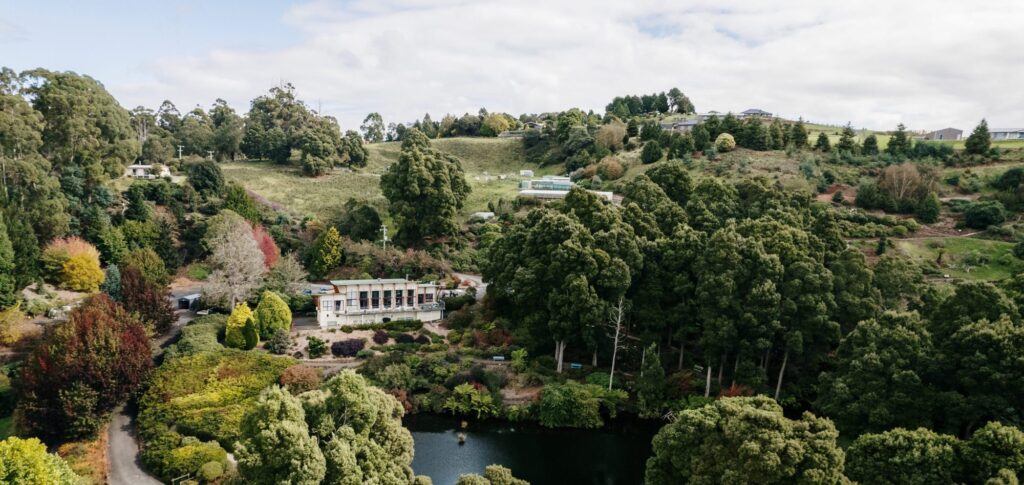
Tasmania’s spring flowers range from cultivated garden displays to small native blooms that are easy to miss at first glance. Depending on the region and time of year, you may discover native orchids, flowering wattles, colourful heathland blooms and the striking red flowers of the Tasmanian waratah.
For a spectacular garden experience, visit Emu Valley Rhododendron Garden near Burnie in Tasmania’s north-west. Home to thousands of rhododendrons and companion plants, this enchanting garden comes alive with colour during spring. Wander along peaceful pathways, admire the vibrant blooms and discover picturesque lakes surrounded by lush greenery. You can experience this beautiful garden on AAT Kings’ Perfect Tasmania and Tassie’s Parks and Nature Guided Holidays, which is a MAKE TRAVEL MATTER® Experience that supports local conservation efforts.
Part of the beauty of Tasmania’s spring flowers is that no two visits are quite the same. Flowering times vary with the weather and local conditions, making every discovery a little more special. Whether admiring a colourful garden display or spotting delicate wildflowers along a walking trail, take time to appreciate the natural beauty of the season.
Spring wildlife in Tasmania
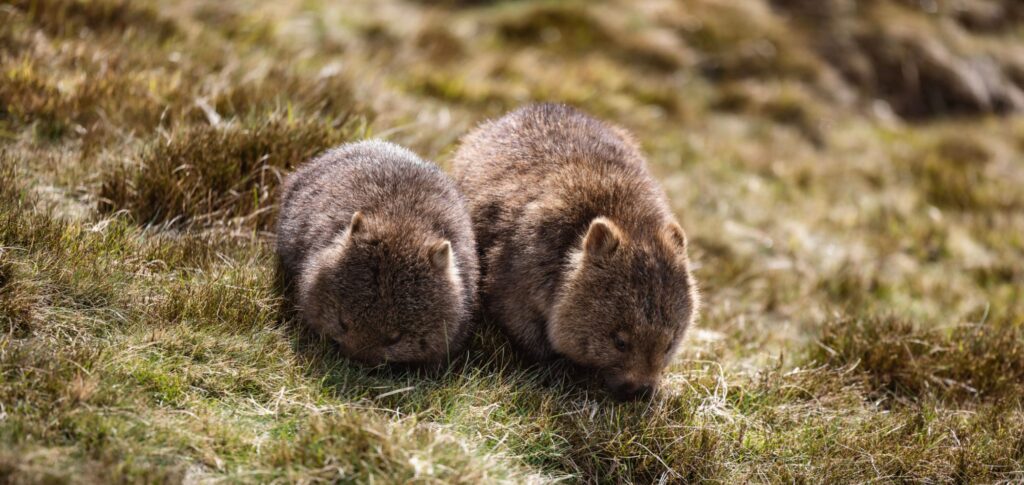
With longer days and nature coming to life, spring offers wonderful opportunities to encounter Tasmania’s remarkable native wildlife. Wombats and wallabies may graze in open areas, echidnas forage through leaf litter and seabirds become active around the coast. Young animals may also be present, which makes respectful distance especially important.
Wildlife sightings depend on the season, weather and natural behaviour of the animals, so encounters can’t be guaranteed, making each one all the more special. Watch quietly, use binoculars or a zoom lens and leave animals a clear route away. If an animal changes its behaviour because of your presence, move back. Never feed wildlife, even when an animal appears accustomed to people.
Explore Tasmania on a guided tour

A guided tour makes exploring Tasmania easier, taking care of the driving, accommodation and travel arrangements so you can focus on enjoying the journey. Along the way, your Travel Director and local guides bring each destination to life, sharing fascinating insights into palawa culture, Tasmania’s rich history and the remarkable wildlife found throughout its national parks. With expert local knowledge and guidance on changing conditions, you can relax and make the most of every experience.
The 13-day Ultimate Tasmania small group tour travels through Hobart, Mount Field, the Gordon River, Cradle Mountain, Launceston, Freycinet and Port Arthur. It offers a broad spring journey across the island.
Ready to explore Tasmania this spring?
Browse all Tasmania tours to compare pace, regions and trip lengths.
Frequently asked questions
Is spring a good time to visit Tasmania?
Spring can suit travellers interested in wildflowers, green scenery, active wildlife and cooler walking conditions. The weather is changeable, so flexible plans and layered clothing are important.
What is the weather like in Tasmania in spring?
Expect crisp mornings, mild periods and regular changes in wind, cloud and rain. Snow remains possible in elevated areas. Conditions vary considerably between Hobart, the east coast, the highlands and the west.
What should I pack for Tasmania in spring?
Pack light layers, a warm fleece or jumper, a waterproof and wind-resistant jacket, comfortable enclosed shoes, sun protection and a small day bag. Add a beanie and gloves for alpine areas.
Where can I see wildflowers in Tasmania?
Native flowers may appear in national parks, heathlands and along suitable walking tracks, while botanical and private gardens offer cultivated displays. Exact timing varies with elevation and seasonal conditions.
What wildlife can I see in Tasmania during spring?
Possible sightings include wombats, wallabies, echidnas, pademelons, Tasmanian devils and many bird species. Wildlife sightings can vary, making every encounter all the more special.
Can it snow in Tasmania in spring?
Yes. Snow can fall in the highlands and around places such as Cradle Mountain during spring cold snaps. Always check current conditions before travelling to elevated areas.
How many days should I allow for a spring trip to Tasmania?
Different timeframes offer different benefits. Five days can focus on one region, while 10 or 13 days allow more of the east, west, north and south to be combined. Read our Tasmania trip-length guide to compare the options.