

Spring is a beautiful time to explore New Zealand, with vibrant scenery, lush landscapes and endless opportunities for adventure. From discovering geothermal wonders and rich Māori culture in the North Island to cruising spectacular fjords and admiring snow-capped mountains in the South Island, there’s something to enjoy around every corner.
The key to packing for New Zealand in spring is flexibility. Bring light layers, a waterproof and wind-resistant jacket, comfortable enclosed shoes and sun protection. Add a warm mid-layer for cool mornings and alpine regions, then keep a small day pack ready for items you may need while sightseeing.
Spring weather can shift quickly between sunshine, showers and brisk wind. Tourism New Zealand describes average daytime temperatures of about 16 to 19 degrees Celsius across the season, but the North Island, South Island, coast and mountains can feel very different. A practical packing system matters more than trying to predict every day.
This checklist is designed for guided holidays across one or both islands. It covers the clothing and equipment most travellers need, plus a few optional items for scenic cruises, alpine areas and relaxed city time.
New Zealand spring conditions at a glance
| Area or experience | Typical spring conditions | Useful items |
| Upper North Island | Often milder, with sun, showers and humid spells. | Breathable layers, light waterproof jacket, hat and sunscreen. |
| Rotorua and Central Plateau | Cool mornings, changeable afternoons and colder conditions around higher ground. | Warm mid-layer, waterproof shell and enclosed walking shoes. |
| Wellington and Cook Strait | Mild periods with exposed, windy conditions possible. | Wind-resistant jacket and a layer that fits comfortably underneath. |
| South Island cities and lakes | Cool to mild days, colder evenings and strong regional variation. | Layering pieces, light insulation and comfortable shoes. |
| Alpine areas and Fiordland | Cold, wet and fast-changing conditions remain possible, even late in spring. | Waterproof outerwear, warm layer, beanie and shoes with reliable grip. |
Build outfits with three simple layers
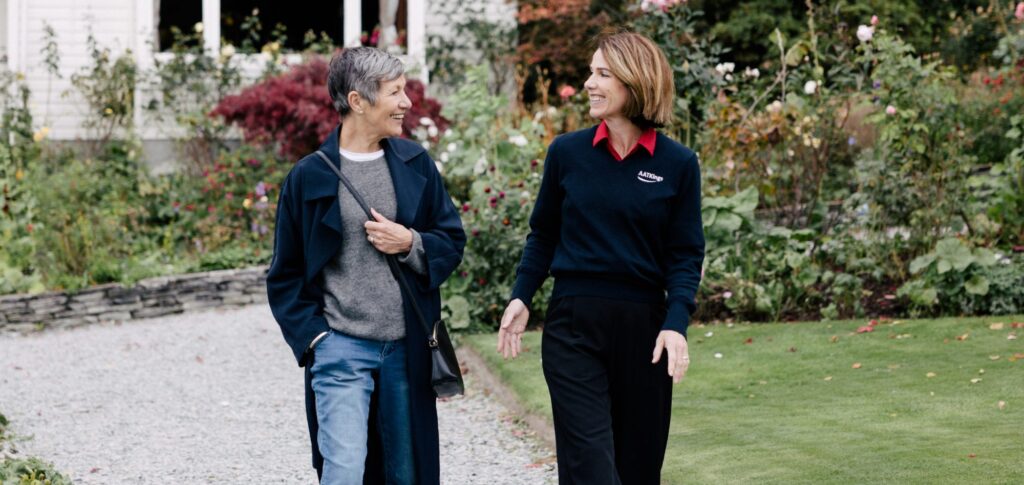
Base layer
Start with breathable tops that feel comfortable indoors and outdoors. Short-sleeved and long-sleeved options let you adjust through the day. Quick-drying fabrics are helpful when you are moving between regions or washing items during a longer tour.
Warm mid-layer
A fleece, wool jumper or light insulated jacket adds warmth without taking over your suitcase. Choose something that can be worn under your waterproof shell. Travellers visiting Queenstown, Wānaka, the Mackenzie Country, the Central Plateau or Fiordland may appreciate a warmer option for early starts and evenings.
Weatherproof outer layer
Pack a jacket that protects against both rain and wind. A hood is useful, and enough room underneath allows your layers to work together. Water-resistant clothing may handle a brief shower, but a genuinely waterproof shell is a better choice for Fiordland, the West Coast and full days outdoors.
Clothing to pack
- Breathable short-sleeved and long-sleeved tops that can be layered.
- One or two warm mid-layers, such as a fleece or wool jumper.
- A waterproof and wind-resistant jacket with a hood.
- Comfortable trousers for sightseeing and travel days.
- Quick-drying walking trousers if your itinerary includes regular outdoor activities.
- Smart-casual outfit for welcome dinners, special meals or evenings out.
- A compact beanie, light gloves and scarf for alpine areas or cold early starts.
- Swimwear for hotel pools, thermal experiences or warmer coastal days.
Choose footwear for comfort and grip
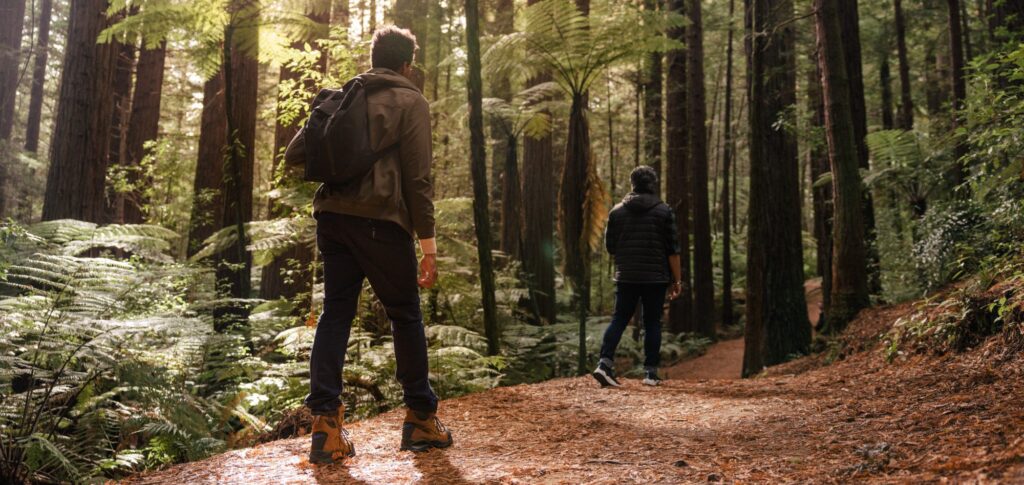
Comfortable enclosed walking shoes are the most important footwear item for many New Zealand tours. Look for cushioning, a stable sole and enough grip for wet paths, gravel and uneven ground. Wear them before departure so you know they remain comfortable after several hours.
A second lightweight pair gives your feet a break and provides a dry option if your main shoes get wet. This could be a supportive casual shoe for cities and dinners. Unless your itinerary includes technical hiking, heavy boots may add more weight than value. Check the activity notes for your specific tour.
Sun and rain protection
Even on cloudy days, it’s important to remember sun protection. Pack broad-spectrum sunscreen, sunglasses and a brimmed hat, then reapply sunscreen during long outdoor days. A refillable water bottle is useful on coach tours and walks.
For rain, prioritise a hooded jacket over a large umbrella, especially in windy places. A compact umbrella can still be useful in cities. A small dry bag, waterproof phone pouch or simple zip pouch can protect electronics and travel documents during cruises and wet sightseeing days.
What to keep in your day bag
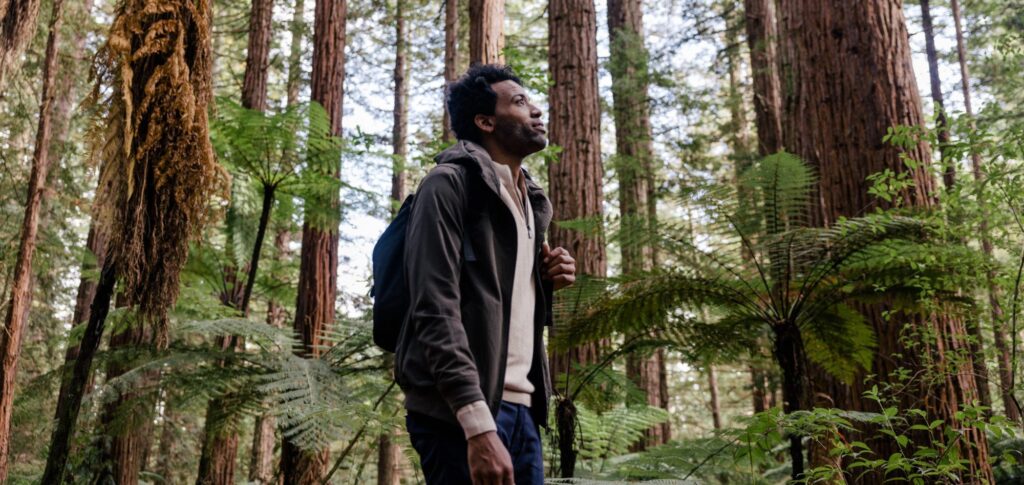
- Waterproof jacket and one warm layer.
- Sunscreen, sunglasses and hat.
- Refillable water bottle.
- Personal medication needed during the day.
- Phone, camera and portable power bank.
- Travel documents and a small amount of local currency or payment cards.
- Tissues, hand sanitiser and lip balm.
- Compact umbrella or waterproof pouch if useful for the forecast.
Keep the bag compact enough to handle easily on the coach. A backpack or day pack leaves your hands free and spreads weight more comfortably than a single-strap bag.
Personal essentials
Keep any essential personal items that may be difficult to replace while travelling in your carry-on bag, such as glasses and essential medicine.
New Zealand uses Type I electrical plugs and a 230-volt supply, the same plug type used in Australia, so many Australian travellers will not need an adapter. International visitors should check their devices and bring the correct adapter.
Packing for particular experiences
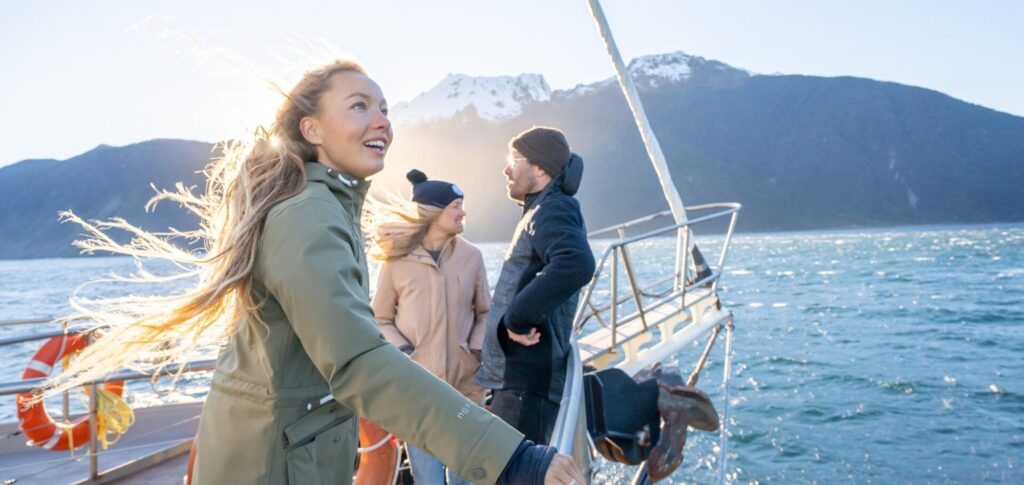
Scenic cruises
Conditions on the water can feel cooler than they do on land. Bring your waterproof outer layer and a warm mid-layer, even if the morning looks fine. A lens cloth and waterproof pouch are helpful when spray or rain is possible.
Alpine viewpoints and lake towns
For Queenstown, Wānaka, Lake Tekapo and glacier viewpoints, pack for colder air and wind. A beanie and light gloves take little room and can make an early start much more comfortable. Snow and ice may affect some high routes, so follow your Travel Director’s advice.
Cities and dinners
New Zealand style is generally relaxed. One smart-casual outfit should cover most dinners and evenings, while comfortable layers remain suitable for city sightseeing. Choose pieces that work together rather than packing a separate outfit for every night.
AAT Kings luggage requirements
For AAT Kings Guided Holidays, the current allowance is one suitcase per person measuring approximately 76 x 46 x 25 centimetres (30″ x 18″ x 10″) and weighing no more than 23 kilograms (50 lbs). Guests may also bring a backpack or day pack onto the coach. Luggage limits can differ for itineraries involving special transport, so always check your booking documents and the latest frequently asked questions before departure.
New Zealand spring packing checklist
| Category | Checklist |
| Clothing | ☐ Base layers ☐ Warm mid-layer ☐ Waterproof jacket ☐ Trousers ☐ Smart-casual outfit ☐ Sleepwear |
| Footwear | ☐ Comfortable enclosed walking shoes ☐ Lightweight second pair ☐ Suitable socks |
| Weather protection | ☐ Sunscreen ☐ Sunglasses ☐ Hat ☐ Beanie and gloves ☐ Compact umbrella or dry pouch |
| Day bag | ☐ Water bottle ☐ Medication ☐ Phone or camera ☐ Power bank ☐ Travel documents |
| Personal items | ☐ Toiletries ☐ Spare glasses ☐ Chargers ☐ Swimwear ☐ Laundry bag |
| Before departure | ☐ Check forecast ☐ Confirm luggage limit ☐ Review activity notes ☐ Keep essentials in hand luggage |
Plan your spring journey
Once your suitcase is organised, explore our guide to New Zealand in spring for seasonal ideas across October and November. You can also browse the New Zealand destination hub, North Island guided holidays and South Island guided holidays to find the itinerary that best matches the places you want to see.
Ready to explore New Zealand this spring?
Discover guided holidays across the North and South Islands, from Rotorua’s geothermal wonders to the fjords of Milford Sound.
Frequently asked questions
What should I wear in New Zealand in spring?
Wear breathable layers with a warm mid-layer and waterproof outer shell. Comfortable enclosed shoes, a hat, sunglasses and sunscreen will cover most touring days.
Do I need a winter coat in New Zealand during spring?
A heavy winter coat is not essential for every itinerary, but a warm layer is important for alpine areas, early starts and cold changes. A light insulated jacket under a waterproof shell is often more versatile.
Do I need waterproof shoes?
Fully waterproof footwear is optional for general touring, but shoes should have reliable grip and cope with damp paths. Waterproof or water-resistant shoes are useful for outdoor-heavy itineraries.
How much luggage can I bring on an AAT Kings Guided Holiday?
The current Guided Holiday allowance is one suitcase of approximately 76 x 46 x 25 centimetres, (30″ x 18″ x 10″) weighing no more than 23 kilograms (50 lbs), plus a backpack or day pack. Check your trip documents in case a specific itinerary has different limits.
Should I pack sunscreen for New Zealand in spring?
Yes. UV can be strong even on cool or cloudy days. Pack broad-spectrum sunscreen, sunglasses and a brimmed hat, and reapply sunscreen during long periods outdoors.
What should I pack for Milford Sound/Piopiotahi?
Bring a waterproof jacket, warm mid-layer, enclosed shoes and protection for your phone or camera. Rain is common and can enhance the waterfalls, while conditions on the water may feel colder.
Can I do laundry during a New Zealand tour?
Laundry availability varies by hotel and itinerary. Check your accommodation information and ask your Travel Director about suitable opportunities. Quick-drying clothing makes washing during a longer trip easier.